Clinical Supervision in School-Based Healthcare: Why It Matters More Than Ever
Clinical Supervision in School-Based Healthcare: Why It Matters More Than Ever
Schools are busy, unpredictable places.
One moment a provider is helping a student manage a chronic condition. The next, they are responding to a behavioral crisis, reviewing IEP documentation, or making a quick decision with limited information. In school-based healthcare, there is rarely a slow day.
Many providers do this work on their own. They may be the only nurse, therapist, or behavioral professional on campus. While they care deeply about their students, working independently can feel overwhelming, especially as student needs become more complex.
That is why clinical supervision matters.
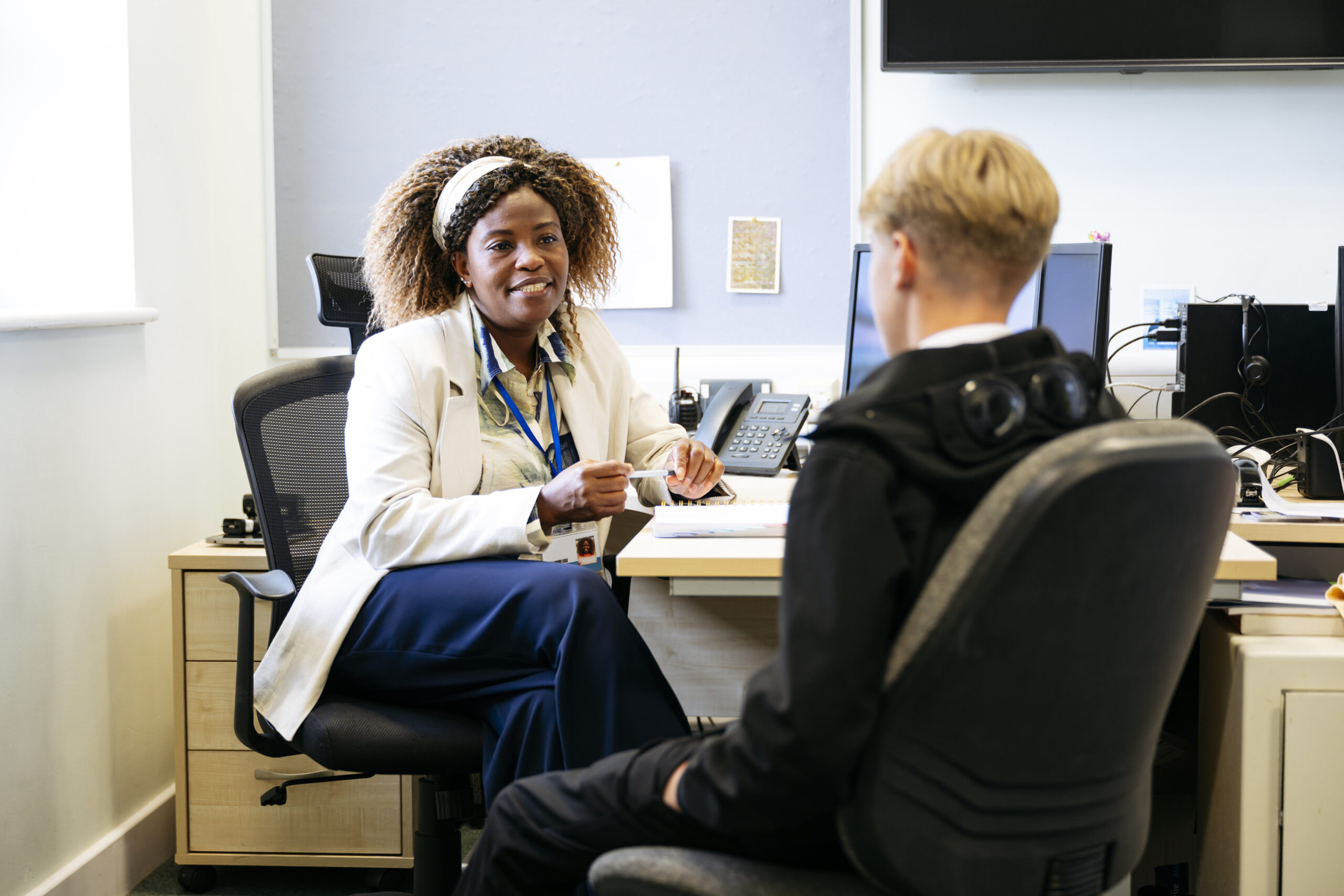
Clinical supervision is not about watching over providers or checking boxes for compliance. It is about making sure no one has to figure things out alone. It gives providers a trusted place to ask questions, talk through challenges, and feel supported in the work they do every day.
When clinical supervision is done well, everyone benefits. Providers feel more confident. Schools feel reassured. And students receive safer, more consistent, and more compassionate care.
In this article, we break down what clinical supervision is, why it is essential in school-based healthcare, and how it supports providers, schools, and students alike.
Why Clinical Supervision Is Essential in School Health
School-based healthcare looks very different from care in hospitals or clinics.
In schools, providers often work alone. They are expected to manage student health needs, follow IEPs, respond to emergencies, and communicate with school staff, all in real time. There is rarely another clinician down the hall to ask for help.
At the same time, the demands of school-based care are growing:
- More students have complex medical needs
- Behavioral and mental health concerns are increasing
- Documentation and compliance requirements are stricter
- Schools are facing ongoing staffing shortages
This combination creates real risk. Without clinical supervision, providers may feel isolated, unsure, or stretched too thin. Even highly skilled clinicians can struggle when support is limited.
Clinical supervision provides the structure and guidance providers need to do their jobs well.
It creates a reliable support system where clinicians can get answers, review decisions, and stay aligned with best practices. It also helps ensure care is consistent, compliant, and focused on student safety.
In school-based healthcare, clinical supervision is not a bonus. It is essential.
What Is Clinical Supervision?
Clinical supervision is ongoing professional support that helps healthcare providers deliver safe, effective, and compliant care while continuing to grow in skill and confidence.
In school-based healthcare, clinical supervision often includes:
- Access to experienced clinical leaders for guidance and mentorship
- Role-specific training and skill development
- Support with IEP requirements, documentation, and incident reporting
- Real-time problem solving and feedback
When done well, clinical supervision creates a continuous cycle of learning, support, and improvement. Providers feel more prepared, and students receive better care.
The Benefits of Clinical Supervision
1. Builds Provider Confidence and Competency
Confidence does not come from credentials alone. It comes from knowing support is available when it matters most.
Clinical supervision helps providers:
- Navigate unfamiliar or high-risk situations
- Strengthen clinical decision-making
- Ask questions without fear or judgment
- Apply best practices consistently across settings
With the right guidance, providers are better equipped to handle the real challenges of school-based care.
2. Creates Consistent, High-Quality Care
School-based providers often work across different schools, districts, or student populations. Without clear guidance, care can vary from one setting to another.
Clinical supervision helps ensure:
- Standardized care practices
- Alignment with district expectations
- Continuity of care across assignments
- Reliable adherence to clinical protocols
This consistency protects students and builds trust with school partners.
3. Supports Compliance and Reduces Risk
School-based healthcare comes with strict regulatory and documentation requirements. Even small errors can have serious consequences for students, providers, and districts.
Through structured clinical supervision, organizations can:
- Ensure care aligns with IEPs and care plans
- Reinforce accurate documentating and reporting
- Reduce clinical risk and liability
- Identify issues early before they escalate
Supervision is not just protective. It is proactive.
4. Reduces Burnout and Provider Isolation
Feeling alone is one of the most common challenges in school-based healthcare.
Clinical supervision helps reduce burnout by:
- Offering regular check-ins and feedback
- Providing emotional and professional support
- Creating clear expectations and role clarity
- Helping providers feel seen and valued
Providers who feel supported are more likely to stay engaged, perform well, and remain in their roles long term.
5. Improves Outcomes for Students and Schools
Clinical supervision benefits everyone, but students benefit the most.
When providers are supported and prepared:
- Students receive safer and more consistent care
- Medical and behavioral needs are addressed more effectively
- Schools experience fewer disruptions and emergencies
- Districts gain a reliable and compliant healthcare partner
Better support leads to better outcomes.
What Effective Clinical Supervision Looks Like
Strong clinical supervision is practical, hands-on, and built for real school environments.
It often includes:
- Structured orientation and onboarding
- Ongoing training and skill refreshers
- Scenario-based learning tailored to schools
- Regular performance feedback and documentation support
- Access to experienced clinical leaders when challenges arise
Most importantly, effective supervision is built on trust, compassion, and partnership.
Why Clinical Supervision Matters in Staffing Partnerships
Not all staffing agencies offer the same level of clinical support.
Organizations that invest in strong clinical supervision show a deeper commitment to:
- Provider growth and success
- Student safety and quality care
- Long-term partnerships, not just placements
For schools, this means peace of mind. For providers, it means knowing they are never working alone.
Support That Elevates Care
Clinical supervision is the foundation of quality, safety, and sustainability in school-based healthcare.
When supervision is prioritized:
- Providers are empowered to grow and succeed
- Care quality improves across school settings
- Students receive safer, more consistent support
- Schools and families build trust in their healthcare partners
As the needs of students continue to grow, support is no longer optional. It is essential.
Learn how Ro Health’s clinical supervision model supports providers, ensures compliance, and elevates care for students nationwide.
Visit rohealth.com to explore opportunities or partner with us.
Share this article
Related Articles
Sorry, we couldn't find any posts. Please try a different search.
Sorry, we couldn't find any posts. Please try a different search.